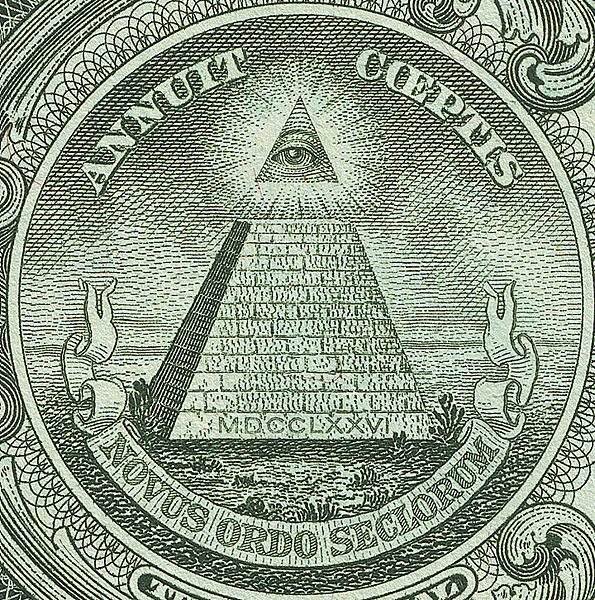
The Eye of Providence or the all-seeing eye is a symbol showing an eye surrounded by rays of light or a glory, and usually enclosed by a triangle. It is sometimes interpreted as representing the eye of God keeping watch on humankind.
In its current form, the symbol first appeared in the west during the 17th & 18th centuries, but representations of an all-seeing eye can be traced back to Egyptian mythology and the Eye of Horus.
However, it is first in Buddhism that the eye is associated with a triplicity. Buddha is also regularly referred to as the "Eye of the World" throughout Buddhist scriptures and is represented as a trinity in the shape of a triangle known as the Tiratna or Triple Gem.
In 1782 the Eye of Providence was adopted as part of the symbolism on the reverse side of the Great Seal of the United States.
The Eye of Providence also appears as part of the iconography of the Freemasons. Here it represents the all-seeing eye of God, and is then a reminder that a Mason's deeds are always observed by God.
It is a popular conspiracy theory that the Eye of Providence shown atop an unfinished pyramid on the Great Seal of the United States indicates the influence of Freemasonry in the founding of the United States.
Among the three members of the original design committee for the Great Seal, only Benjamin Franklin was a confirmed Mason.
Possibly the most famous use of the eye is on the back of the United States one-dollar bill.
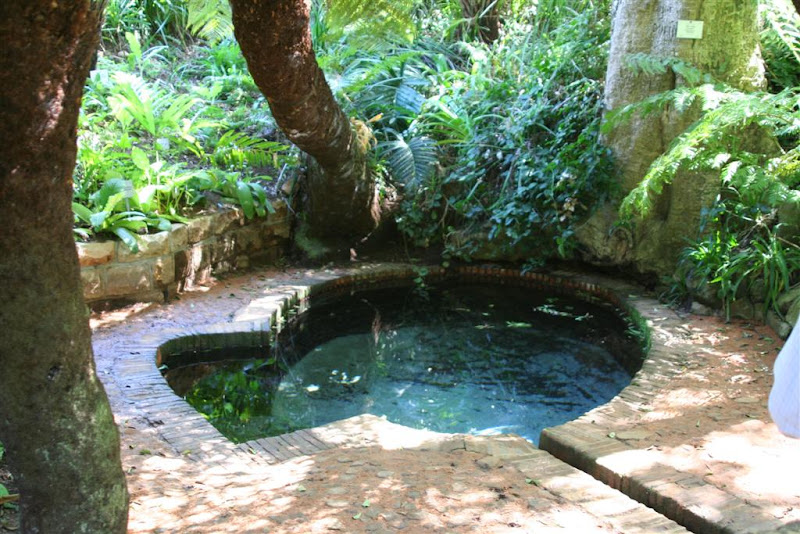
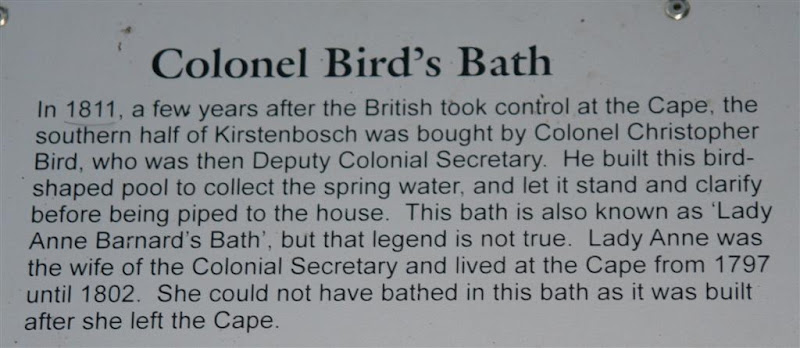
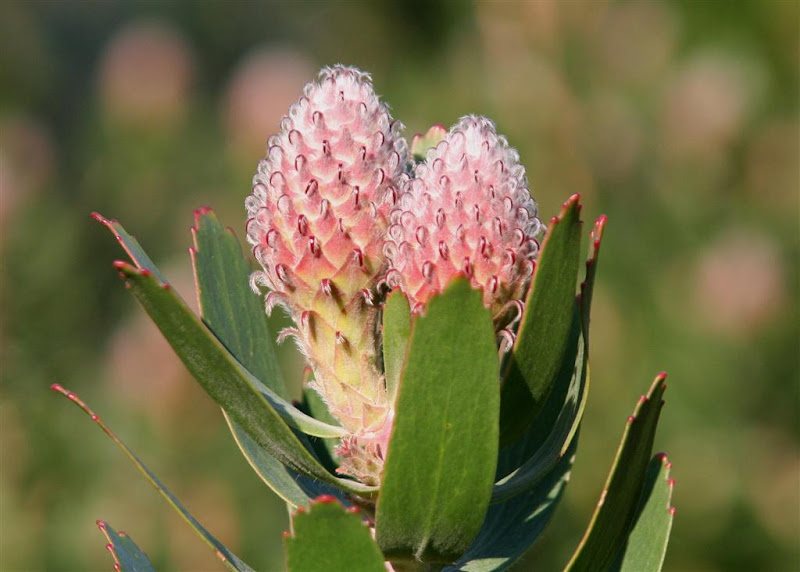
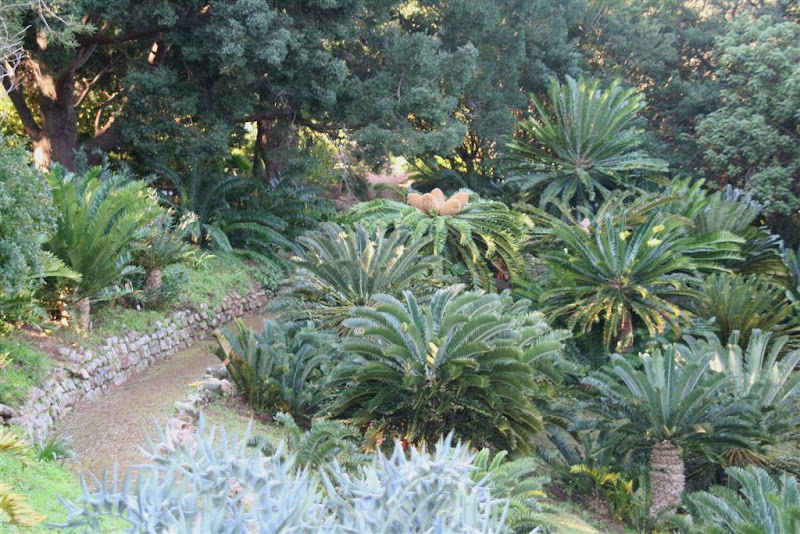
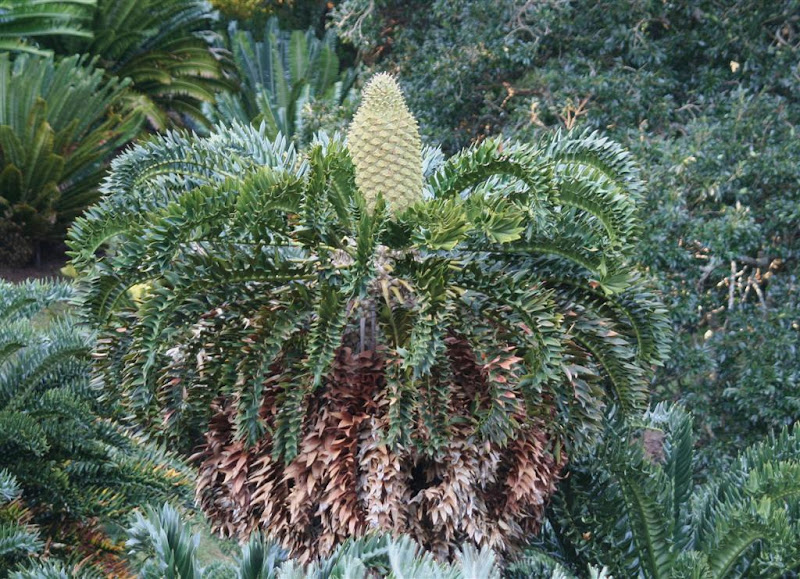
Whenever I'm in Cape Town I try to visit the Kirstenbosch Botanical Gardens to get my fix of green - and gigantic old trees ... it always renews my spirit.
On my last recent quick visit to Cape Town, my camera was in for cleaning and it was raining so I couldn't get to the garden - these are pics from previous trips but they don't really capture the beauty of the place, I just thought they may be of interest to some.
"Kirstenbosch National Botanical Garden is acclaimed as one of the great botanic gardens of the world. Few gardens can match the sheer grandeur of the setting of Kirstenbosch, against the eastern slopes of Cape Town’s Table Mountain.
... was the first botanic garden in the world to be devoted to a country's indigenous flora.
There are over 7000 species in cultivation at Kirstenbosch, including many rare and threatened species."
Well, I must return home to do some building 'n stuff. I'll be gone about six weeks or so - I've scheduled a few posts and I'll check in from time-to-time ...
I have no TV up north so I'll miss the Soccer World Cup - see the tears in my eyes hey? ... :)
I wish you all health and good cheer, keep well and I'll see you after awhile - here's a song before I go:
The Tsumeb Mine is arguably the finest mineral locality ever discovered. The ore-body produced a diverse range of specimens and spectacular crystals which were, and still are, sought after world-wide.
"Tsumeb offers one of the greatest varieties of mineral assemblages known. It produced 247 known species, plus 24 species still under investigation.
Of the minerals discovered in Tsumeb, 45 are known to occur solely there. But not only the rare finds boast of superlatives. The crystallization of most minerals is so perfect and aesthetic that 68 species from Tsumeb display the finest crystals known from any deposit.
Many localities have produced specimens generally considered to be the finest of the species ever found. However, most of the localities are known only for one or two species of this quality.
In comparison, Tsumeb exhibits more outstanding mineral specimens than most localities even contain minerals. These minerals provide the quality benchmark for every collector."
As I explained in an earlier post, I worked as a miner for 12 years at the Tsumeb Mine and during that time I was privileged to see many examples of these spectacular crystals.
I've stood in vugs surrounded by crystals, jewels glittering in my headlamp. I've seen men shiver with greed, fight over and risk their lives to get them - 'crystal fever' - and in truth, I was also overwhelmed on occasion, though not to the extreme I've just described.
The removal of mineral specimens was always a murky and controversial issue. Although it was considered theft and people could be fired if caught, everyone from laborers to managers carried them out.
There was a constant stream of European and American buyers in town, offering big bucks for top pieces.
The official policy was that the purpose of the mine was to mine ore, not preserve mineral specimens but, if found, miners were 'expected' to save and hand them over to the 'Company', so that they could be sold on auction - with no reward to the finder.
This presented a problem to those who also appreciated the specimens for their aesthetic value - it was unthinkable to just leave these unique crystals to be dumped into an ore-pass, to be destroyed in the crushers.
On the other hand, if they were handed over to the company, the best pieces would be skimmed off by greedy hands long before they reached any auction.
Today, twelve years years after the closure of the Tsumeb mine, the saddest aspect is that there are very few spectacular specimens in Namibia itself - most are to be found in private collections and museums overseas.
Part one of some of the bird-life I snapped during my last visit to Etosha - I'm not a bird expert and may have misidentified some, but what's in a name anyway? If you think I've made a mistake, please let me know.
According to Wiki, Chéri Hérouard (1881 - 1961) was a French illustrator who was most famously known for his forty-five year work for French society magazine, La Vie Parisienne.
I found this set of Hérouard's cover-art for La Vie Parisienne on the Flicker photostream of asoftblackstar - if you're interested in vintage illustration there's a lot more on her page, some of it quite saucy.
Many farmers and Guest Lodge owners in Namibia have distinctive signs at the entrance to their properties.
In some parts, the distances between towns exceed 200km. In this often featureless landscape it's very easy to miss a turnoff and some farmers erect elaborate signposts to assist visitors.
No one could miss this Baboon perched upon a rock wall.
I suspect that these artworks also assist inebriated farmers in finding their way home after a night on the town. I've sometimes become disorientated and I've been sober.
Namtib Farm - a lovely spot, I camped here once.
The Seeheim Hotel is in the middle of nowhere, on the road to the Fish River Canyon.
Hoodia gordonii is a leafless spiny succulent plant with medicinal uses. It grows naturally in South Africa and Namibia. The flowers smell like rotten meat and are pollinated mainly by flies. The indigenous Bushmen call this plant ǁhoba (pronounced [ǁʰɔbɑ]; the initial sound is a lateral click). ... (Heh! ... you DO know how to do a lateral click hey?)
The use of Hoodia spp. has long been known by the indigenous populations of Southern Africa, who infrequently use these plants for treating indigestion and small infections. However, it is their centuries old use of the meat of the plant to suppress appetite when making long hunting trips in the Kalahari Desert that has stimulated the most interest.
There is no published scientific evidence that hoodia works as an appetite suppressant in humans.
As Hoodia gordonii is a species threatened with extinction if international trade is not monitored, it is listed under CITES (the Convention on International Trade in Endangered Species of Wild Fauna and Flora) and is illegal to export from Africa without a CITES certificate being issued by proper authorities.
I believe that Oprah Winfrey was/is promoting Hoodia as a wonder weight-loss drug - I haven't seen any recent images of her so I don't know if it works ...
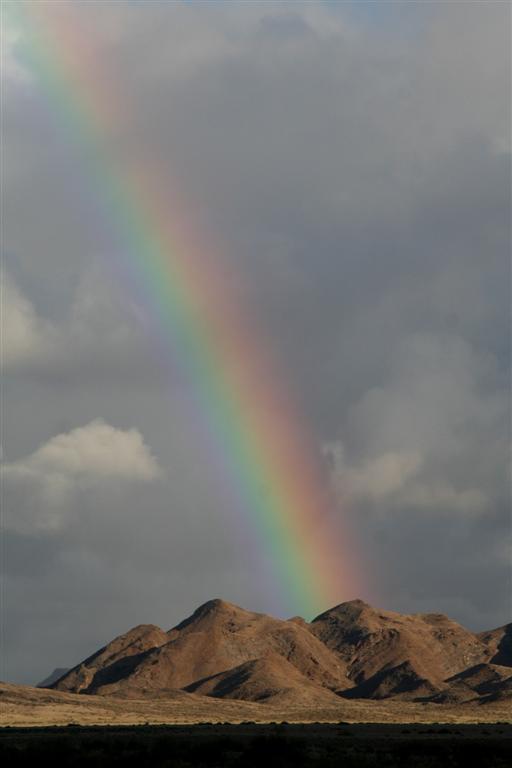
... I took these pics three or four years ago after an unusually good rain-season which caused the desert to burst into flower.


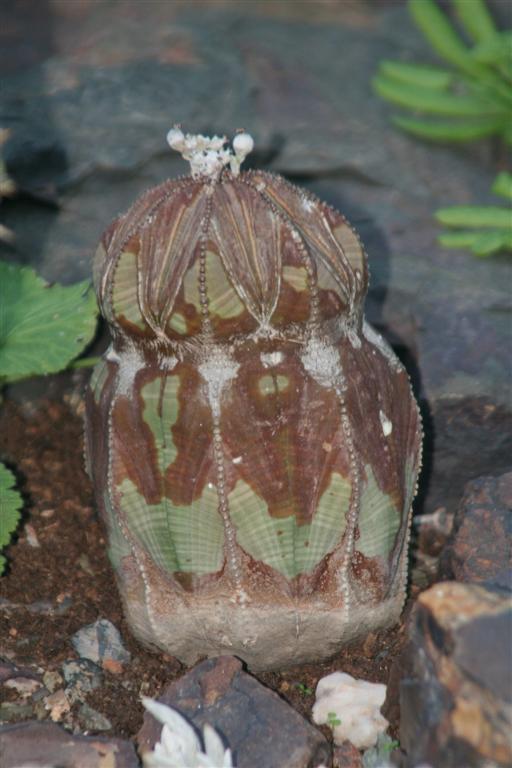
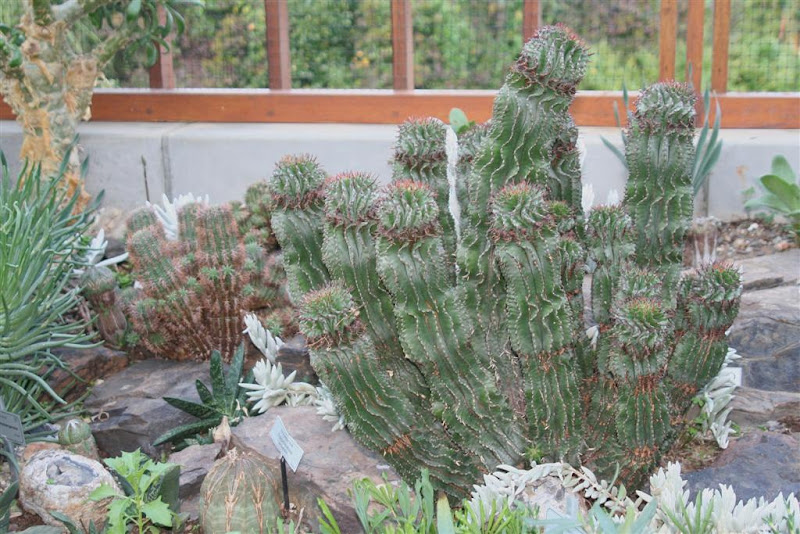
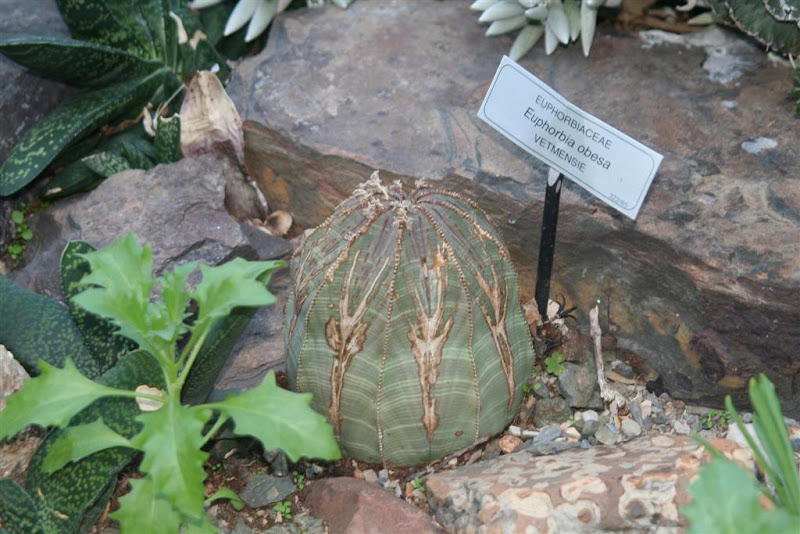 Euphorbia obesa